
Practical heart-protecting tips for Chinese New Year gatherings and family visits
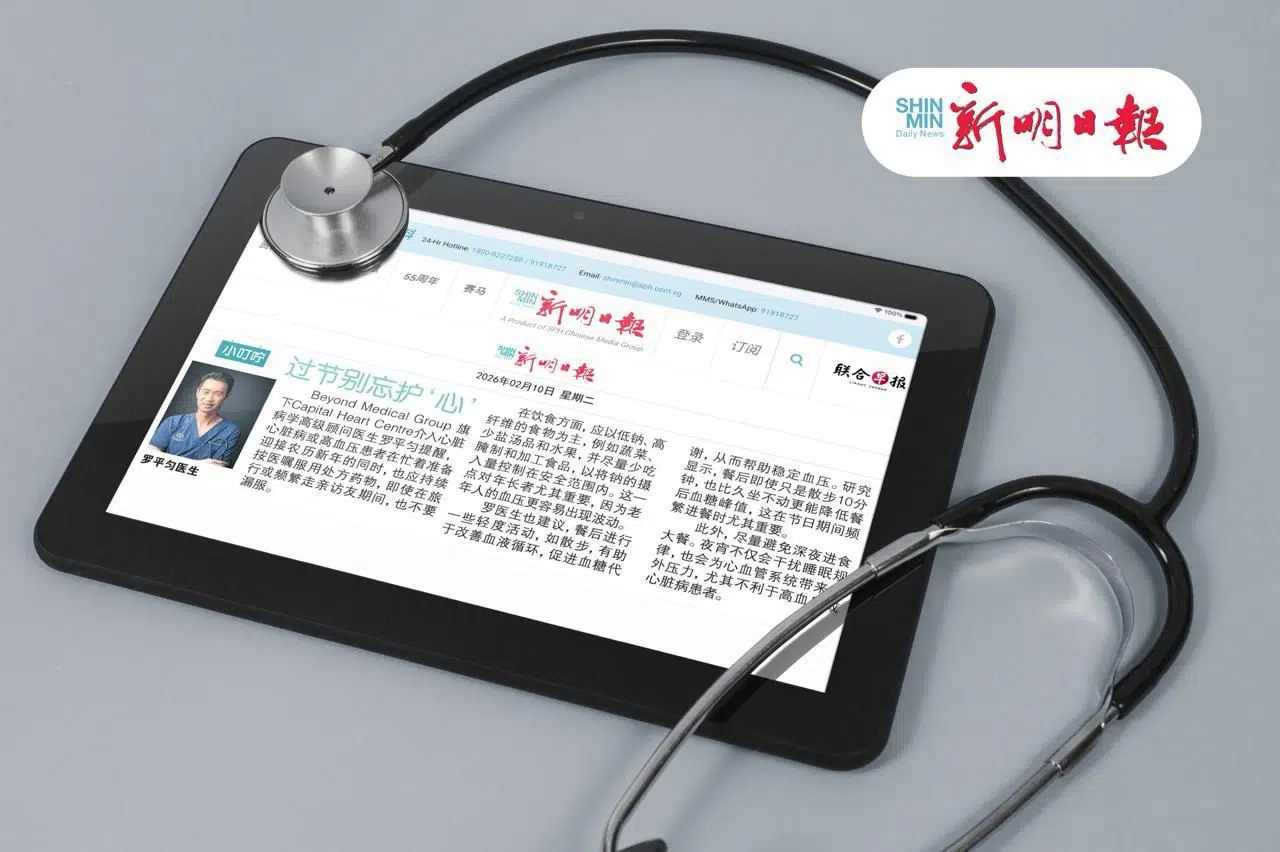
Festive seasons are meant to be joyful — but they also come with richer meals, irregular schedules, late nights, and plenty of “just one more bite”. For people living with heart disease or high blood pressure, these changes can quietly increase strain on the cardiovascular system.
In a recent Shin Min Daily News (新明日报) feature, a senior interventional cardiology consultant from Capital Heart Centre (under Beyond Medical Group) shared timely reminders for staying heart-safe while still enjoying Lunar New Year celebrations — especially for those with heart conditions and hypertension.
Here are the key takeaways you can apply throughout the festive period.
1) Keep medications consistent — even on busy days
During the festive period, routines change. You may be out all day visiting relatives, eating at different times, or travelling. That’s exactly when it becomes easy to forget your regular medications.
Heart disease and high blood pressure patients should continue taking prescribed medications consistently, even when travelling or visiting multiple households — and avoid missing doses.
What to do:
- Set a phone reminder for your usual medication times
- Carry a small pill case in your bag so doses don’t get missed while you’re outside
- If you forget a dose, follow your doctor/pharmacist’s advice on what to do next
This matters even more for older adults, as blood pressure can fluctuate more easily.
2) Eat with a “low sodium, high fibre” mindset
Many festive favourites are tasty because they’re salty, preserved, or processed — but these are also the foods that can push sodium intake above a safer range.
Dr Joshua recommends choosing low-sodium, high-fibre foods more often — such as vegetables, fruit, and lighter soups — while reducing cured and processed foods to help keep sodium intake within a safer range.
Easy swaps that still feel festive:
- Choose fresh dishes before reaching for preserved items
- Ask for sauce on the side
- Balance each meal with a vegetable dish and fruit afterwards
3) Add light activity after meals — even 10 minutes helps
One of the most practical tips is simple: move a little after eating.
Research shared in the article notes that even a 10-minute walk after a meal is more effective than sitting still in helping to lower the post-meal blood sugar peak — which can be especially relevant during a season of frequent meals and snacking.
Try this during visits:
- Suggest a short walk after dinner
- Walk while chatting instead of sitting the whole evening
- Help with light tidying (standing and moving counts)
4) Avoid late-night heavy meals
Late suppers are common during holidays, but heavy late-night meals can disrupt sleep and add extra strain to the cardiovascular system — particularly for people with high blood pressure or heart disease.
A heart-friendlier festive rhythm:
- Keep dinner earlier when possible
- If hungry late, choose something lighter
- If you know dinner will be heavy, keep other meals simpler that day
A quick CNY heart-care checklist
✅ Take medications on time (pack extras if travelling)
✅ More vegetables and fruit on the plate
✅ Go easy on salty/processed foods
✅ 10-minute walk after main meals
✅ Avoid heavy late-night suppers
✅ Prioritise rest
Enjoy the celebrations — and protect what matters
Chinese New Year is about family, connection, and blessings. Looking after your heart doesn’t mean you can’t enjoy festive foods — it simply means being a little more intentional.
As Dr Joshua shares, small habits — consistent medication, smarter food choices, light post-meal movement, and better timing of meals — can go a long way in helping your heart cope better with the festive season.